What is Kintamani Coffee?
Kintamani Coffee is one of Indonesia's most celebrated specialty coffees, grown in the volcanic highlands of Kintamani, Bali. Renowned for its bright acidity, smooth body, and refreshing citrus notes, this premium Arabica coffee offers a flavor profile that stands apart from coffees produced in other Indonesian regions.
Thanks to its fertile volcanic soil, cool mountain climate, and traditional farming practices, Kintamani Coffee has earned international recognition among coffee enthusiasts, specialty roasters, and baristas worldwide.
The Origin of Kintamani Coffee
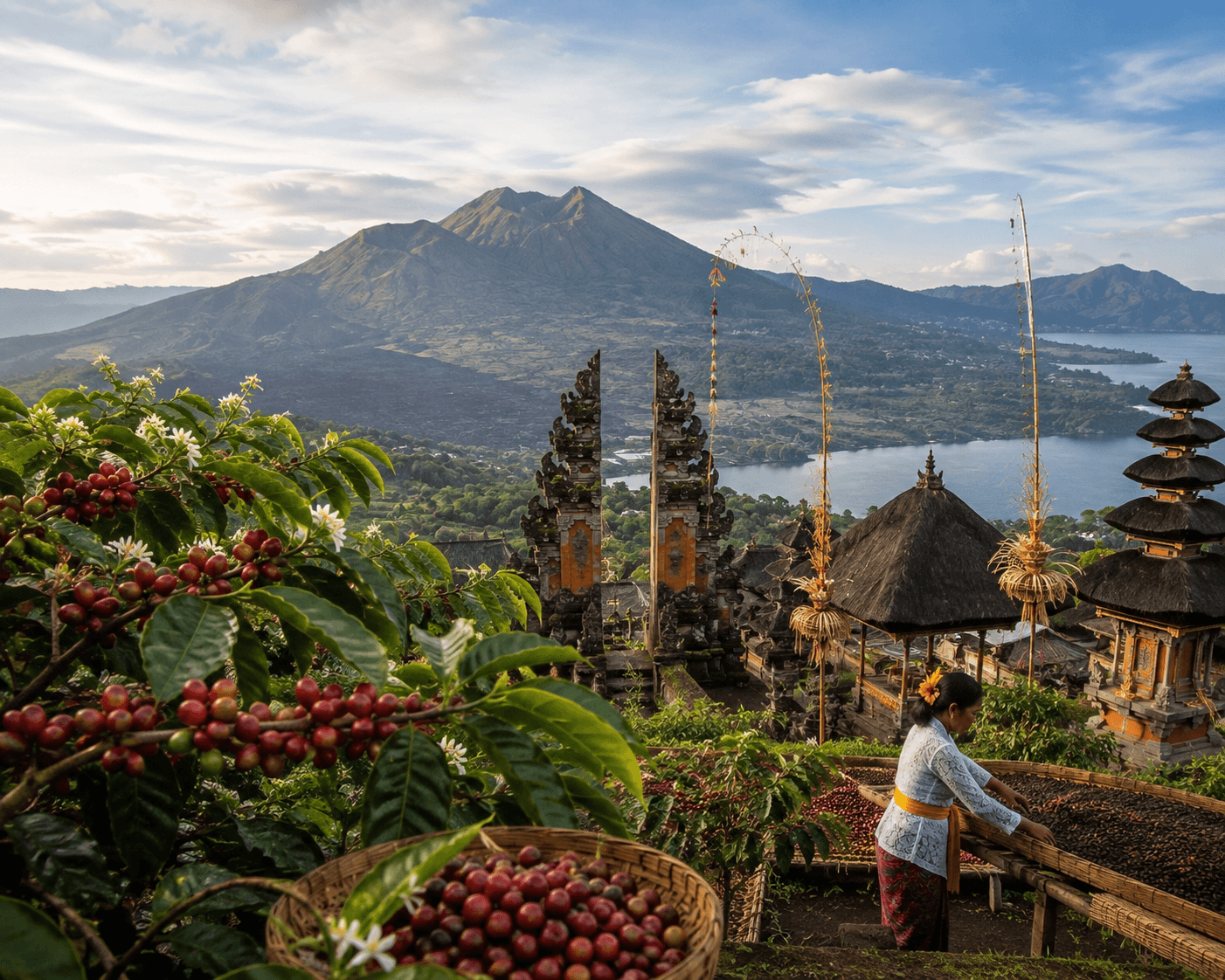
Kintamani is located in the northeastern highlands of Bali, surrounding the majestic Mount Batur volcano and its crater lake. Coffee plantations are typically situated at elevations between 1,000 and 1,500 meters above sea level, providing ideal growing conditions for high-quality Arabica coffee.
The region's volcanic soil is naturally rich in minerals, while the cool temperatures and abundant rainfall allow coffee cherries to mature slowly. This extended ripening period helps develop complex sugars and vibrant flavors within the beans.
These natural conditions make Kintamani one of Indonesia's most distinguished coffee-growing regions.
A Distinctive Flavor Profile
Unlike many Indonesian coffees that are known for their heavy body and earthy characteristics, Kintamani Coffee offers a clean, crisp, and fruit-forward cup.
Coffee lovers often describe its tasting notes as:
Bright citrus acidity
Sweet orange and mandarin flavors
Floral aroma
Honey-like sweetness
Smooth medium body
Clean, refreshing finish
One of the reasons for these unique citrus notes is the traditional farming practice of growing coffee alongside orange and other fruit trees. This agroforestry system creates a balanced ecosystem that supports both biodiversity and exceptional coffee quality.
Volcanic Soil Makes the Difference
The volcanic landscape surrounding Mount Batur plays an important role in shaping the character of Kintamani Coffee.
Mineral-rich volcanic soil provides essential nutrients that encourage healthy coffee trees and consistent bean development. Combined with the region's cool mountain air and frequent rainfall, these natural conditions produce beans with exceptional balance, sweetness, and complexity.
The result is a coffee that reflects the unique terroir of Bali.
The Traditional Subak Abian Farming System
One of the defining characteristics of Kintamani Coffee is its cultivation under the traditional Subak Abian system.
Subak Abian is a community-based agricultural organization inspired by Bali's philosophy of Tri Hita Karana, which promotes harmony between people, nature, and spirituality.
Farmers work cooperatively to manage irrigation, protect the environment, and maintain sustainable farming practices. This system helps preserve soil fertility while ensuring consistent coffee quality for future generations.
The emphasis on sustainability has become one of the reasons why Kintamani Coffee is respected in the global specialty coffee industry.
Handpicked and Carefully Processed
Quality begins during harvest.
Only fully ripe, red coffee cherries are handpicked to ensure the highest quality beans. After harvesting, the cherries undergo careful processing, which may include washed, natural, or honey methods depending on the producer.
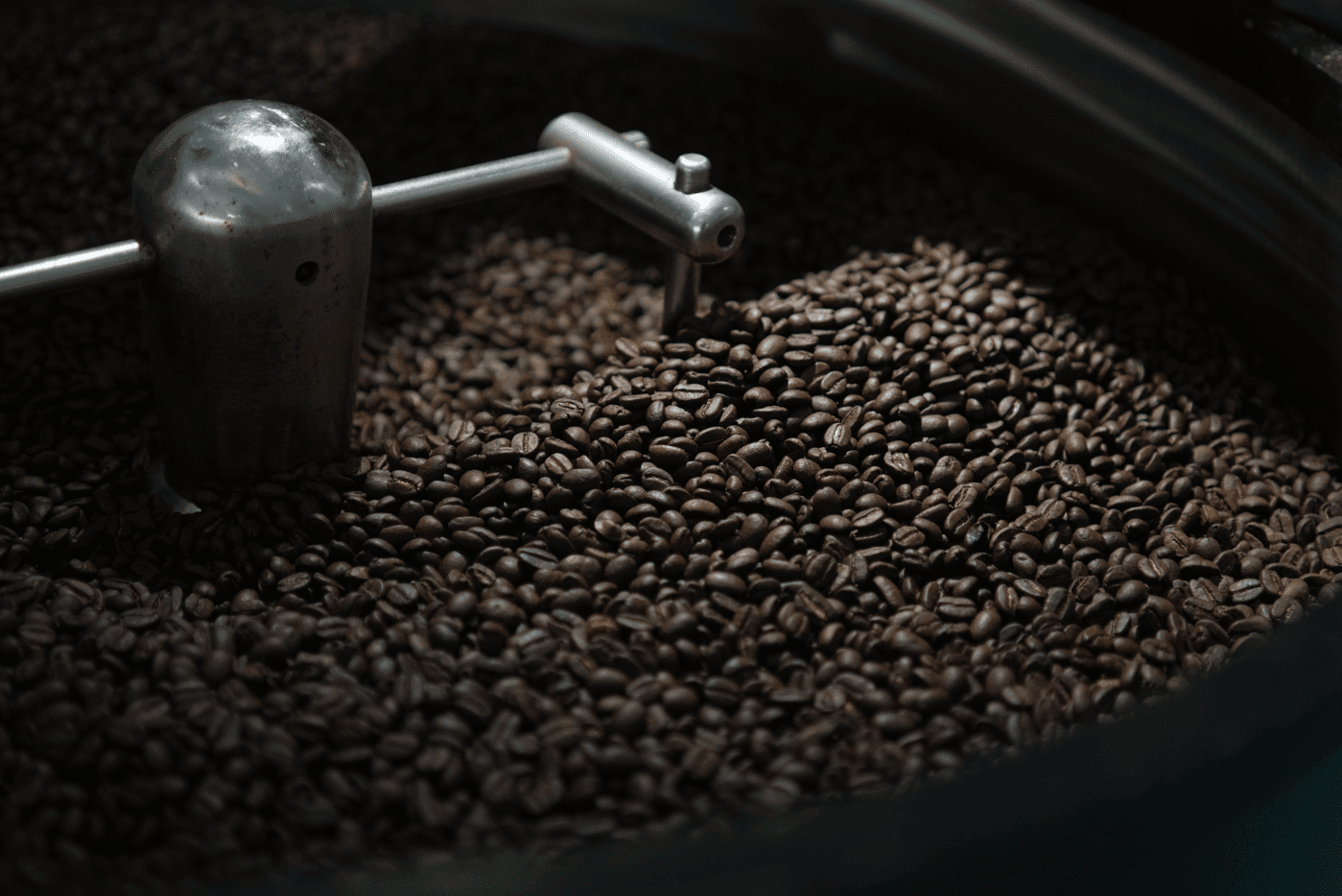
Each stage—from sorting and fermentation to drying and roasting—is closely monitored to preserve the coffee's delicate aromas and natural sweetness.
This attention to detail allows every cup of Kintamani Coffee to showcase the authentic flavors of Bali.
International Recognition
Kintamani Coffee has gained worldwide recognition not only for its exceptional taste but also for its protected geographical origin.
Its unique combination of volcanic terroir, traditional farming methods, and sustainable cultivation has helped establish Kintamani as one of Indonesia's leading specialty coffee regions.
Today, Kintamani Coffee is exported to numerous countries and enjoyed by coffee lovers who appreciate high-quality, single-origin coffee.
Why Choose Kintamani Coffee?
There are many reasons why coffee enthusiasts continue to choose Kintamani Coffee:
Premium Arabica coffee grown in Bali's volcanic highlands
Naturally bright citrus and floral flavor profile
Rich volcanic soil enhances bean quality
Sustainably farmed using the traditional Subak Abian system
Handpicked and carefully processed for exceptional consistency
Internationally recognized as one of Indonesia's finest specialty coffees
Experience the Authentic Taste of Bali
At Kintamani Heritage, we are dedicated to bringing you authentic Kintamani Coffee sourced directly from trusted local farmers in Bali. Every bean reflects the region's volcanic landscape, sustainable farming traditions, and generations of coffee-growing expertise.
Whether you are new to specialty coffee or an experienced coffee enthusiast, Kintamani Coffee offers a refreshing and unforgettable taste that captures the true essence of Bali.
Excerpt
Learn what makes Kintamani Coffee unique—from Bali's volcanic highlands and citrus flavor profile to its sustainable Subak Abian farming tradition.