The Perfect Roasting Profile for Bali Beans
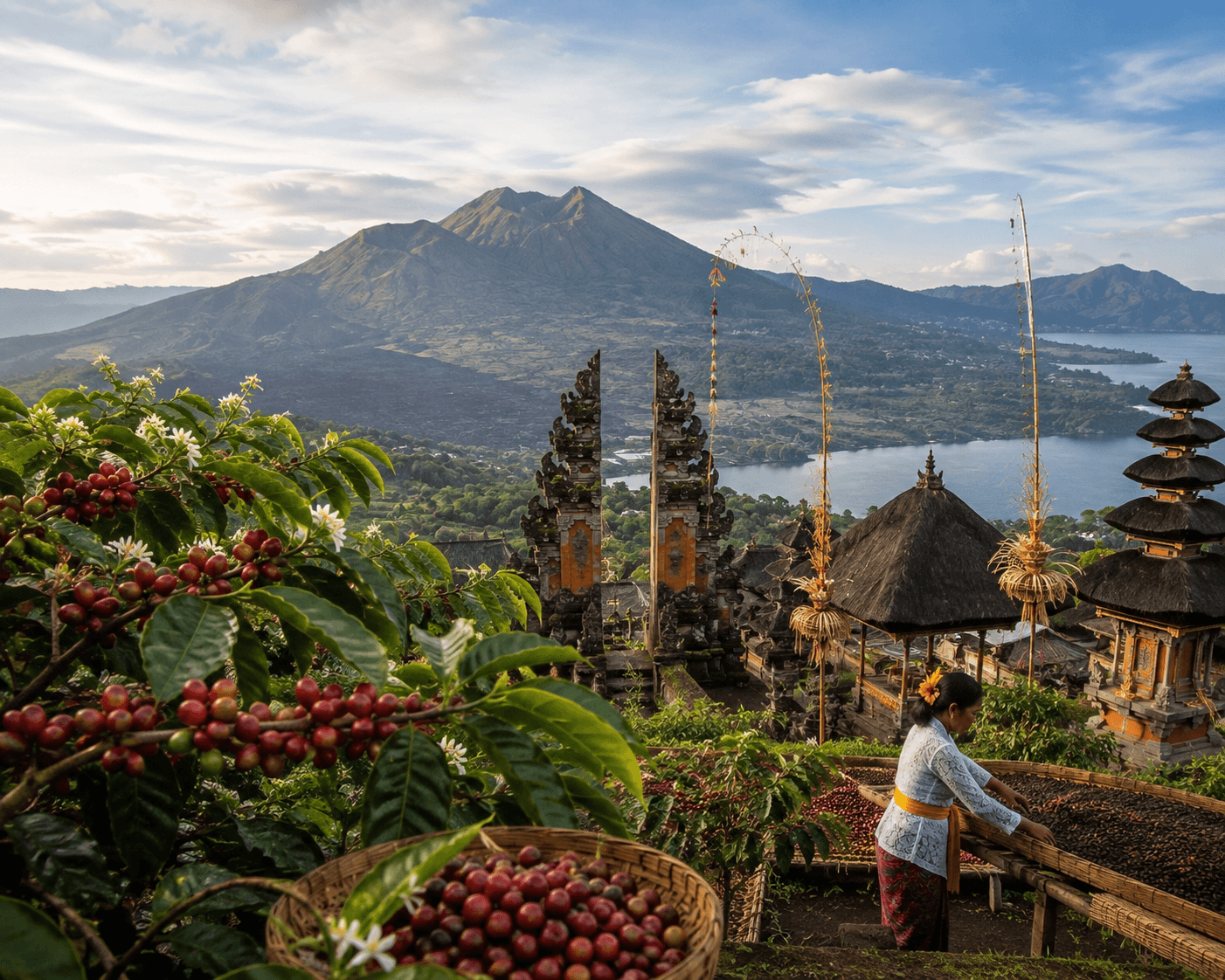
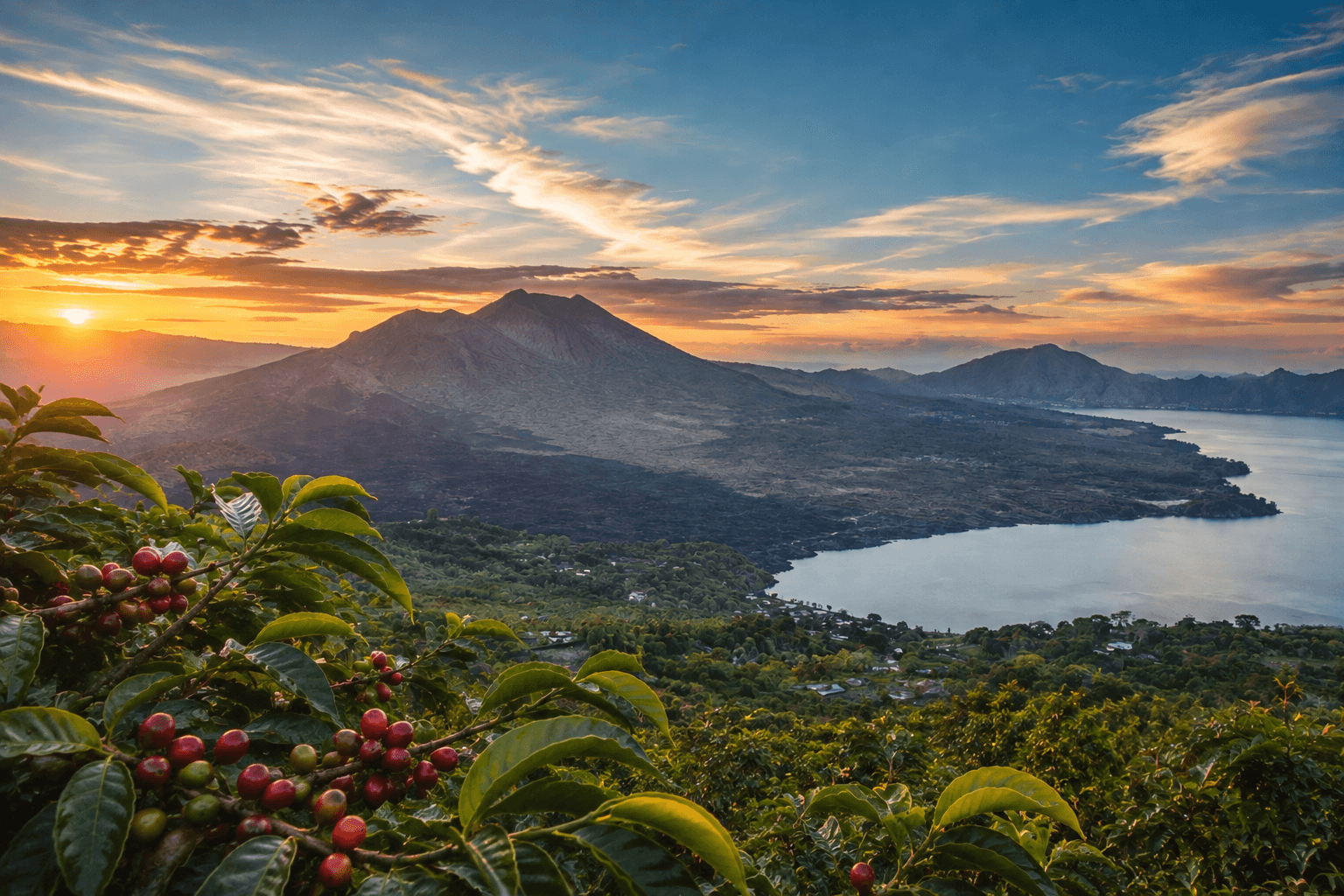
Roasting is one of the most important stages in coffee production. Even the highest-quality coffee beans can lose their unique character if they are roasted incorrectly. For Bali coffee, particularly beans grown in the volcanic highlands of Kintamani, achieving the perfect roast profile is essential to preserving the flavors that make these coffees exceptional.
At Kintamani Heritage, every batch is roasted with precision to highlight the natural sweetness, vibrant acidity, and complex aromas that define premium Bali coffee.
Why Roasting Matters
Roasting transforms green coffee beans into the aromatic beans we brew every day. During the roasting process, heat triggers a series of chemical reactions that develop flavor, aroma, body, and color.
The roast profile determines how much of the bean's original characteristics remain. A carefully controlled roast allows the coffee's origin, processing method, and terroir to shine through, while an overly dark roast can mask these unique qualities.
Finding the right balance between sweetness, acidity, and body is the key to producing exceptional coffee.
Understanding Bali Coffee Characteristics
Coffee grown in Bali is influenced by volcanic soil, cool mountain temperatures, and sustainable farming traditions.
Kintamani Arabica is well known for its:
Bright citrus acidity
Floral aroma
Honey-like sweetness
Smooth medium body
Clean finish
Meanwhile, Bali Robusta offers a very different profile, featuring:
Rich chocolate notes
Earthy character
Full body
Low acidity
Strong, bold flavor
Because these coffees possess distinct characteristics, each requires a different roasting approach.
Roasting Profile for Kintamani Arabica
To preserve the delicate fruit-forward qualities of Kintamani Arabica, we recommend a light to medium roast.
This roast level allows the coffee's natural citrus flavors, floral aroma, and balanced acidity to remain vibrant while developing enough sweetness for a smooth cup.
A lighter roast also maintains the complexity created by Bali's volcanic terroir, making it ideal for specialty coffee enthusiasts who appreciate origin-driven flavors.
This profile works particularly well for:
Pour-over
V60
Chemex
AeroPress
Filter coffee
These brewing methods highlight the coffee's clarity and aromatic complexity.
Roasting Profile for Bali Robusta
Bali Robusta benefits from a medium to dark roast, which enhances its naturally bold characteristics.
The slightly darker roast reduces harshness while emphasizing chocolate, roasted nuts, caramel, and deep earthy notes. It also creates a heavier body that performs exceptionally well in espresso-based beverages.
This roast profile is ideal for:
Espresso
Moka Pot
French Press
Milk-based coffee drinks
Traditional Indonesian coffee
The result is a rich, full-bodied cup with excellent crema and a satisfying finish.
The Importance of Roast Development
Professional roasting is not simply about reaching a particular color.
Master roasters carefully monitor several variables throughout the roast, including:
Bean temperature
Heat application
Airflow
Rate of rise
Development time after first crack
Cooling speed
Each adjustment influences sweetness, acidity, mouthfeel, and aroma. Consistency is essential because even small differences can significantly affect the final cup.
Small Batch Roasting for Maximum Quality
At Kintamani Heritage, we roast in small batches to maintain consistency and ensure every bean develops evenly.
Small batch roasting allows greater control over every stage of the process, helping preserve the unique characteristics of each coffee lot.
Every batch is evaluated for aroma, color, and cup quality before being packaged, ensuring customers receive fresh coffee with optimal flavor.
Freshness Makes the Difference
Even perfectly roasted coffee can lose quality if stored improperly.
For the best experience:
Store coffee in an airtight container.
Keep it away from heat, moisture, and direct sunlight.
Grind only before brewing whenever possible.
Enjoy within a few weeks of roasting for maximum freshness.
Freshly roasted beans retain more aromatic compounds, delivering a richer and more flavorful cup.
Experience Expertly Roasted Bali Coffee
At Kintamani Heritage, roasting is both an art and a science. Every roast profile is carefully developed to showcase the distinctive qualities of Bali's finest Arabica and Robusta beans.
Whether you enjoy the bright citrus notes of Kintamani Arabica or the bold chocolate character of Bali Robusta, our roasting philosophy ensures every cup reflects the quality of the beans and the dedication of the farmers who grow them.
Experience the authentic taste of expertly roasted Bali coffee and discover how the perfect roast unlocks the full potential of every bean.
Excerpt
Discover how expert roasting techniques unlock the vibrant citrus notes of Kintamani Arabica and the bold chocolate flavors of Bali Robusta, creating the perfect cup of Bali coffee.