
The Art of Perfect Roasting
Transforming raw green coffee beans into brown gems rich in Kintamani's signature taste and aroma.
When Science Meets Art
At Kintamani Heritage Coffee, roasting is not just about putting beans into a roasting machine. We precisely tailor the roast profile for each harvest batch to maintain the original character of Kintamani beans.
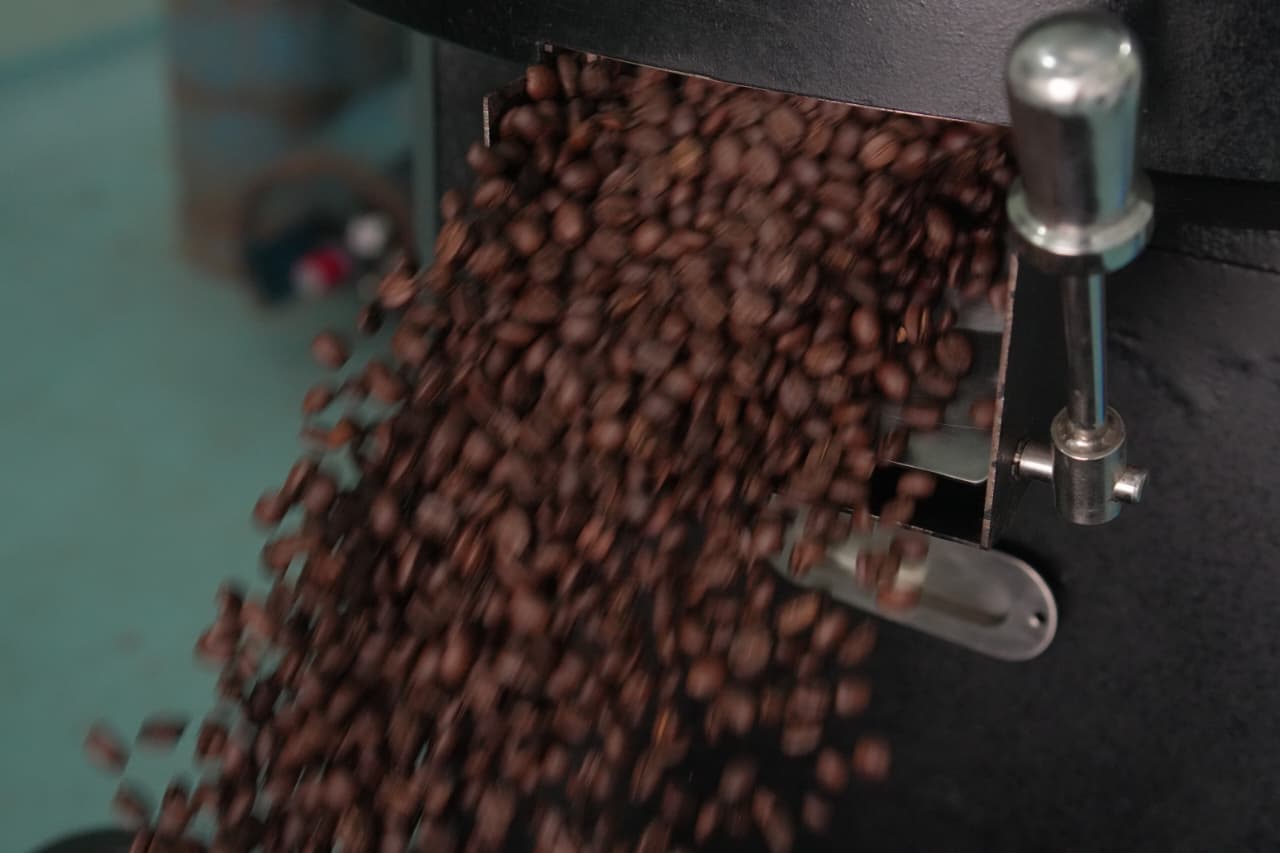
Drying Phase
(Drying Phase)
Raw coffee beans have a moisture content of around 10-12%. At 160°C, the water inside the beans begins to evaporate. This process must be monitored visually and evenly so the outside of the bean doesn't burn while the inside is still raw. This phase is marked by a color change from fresh green to bright yellow.
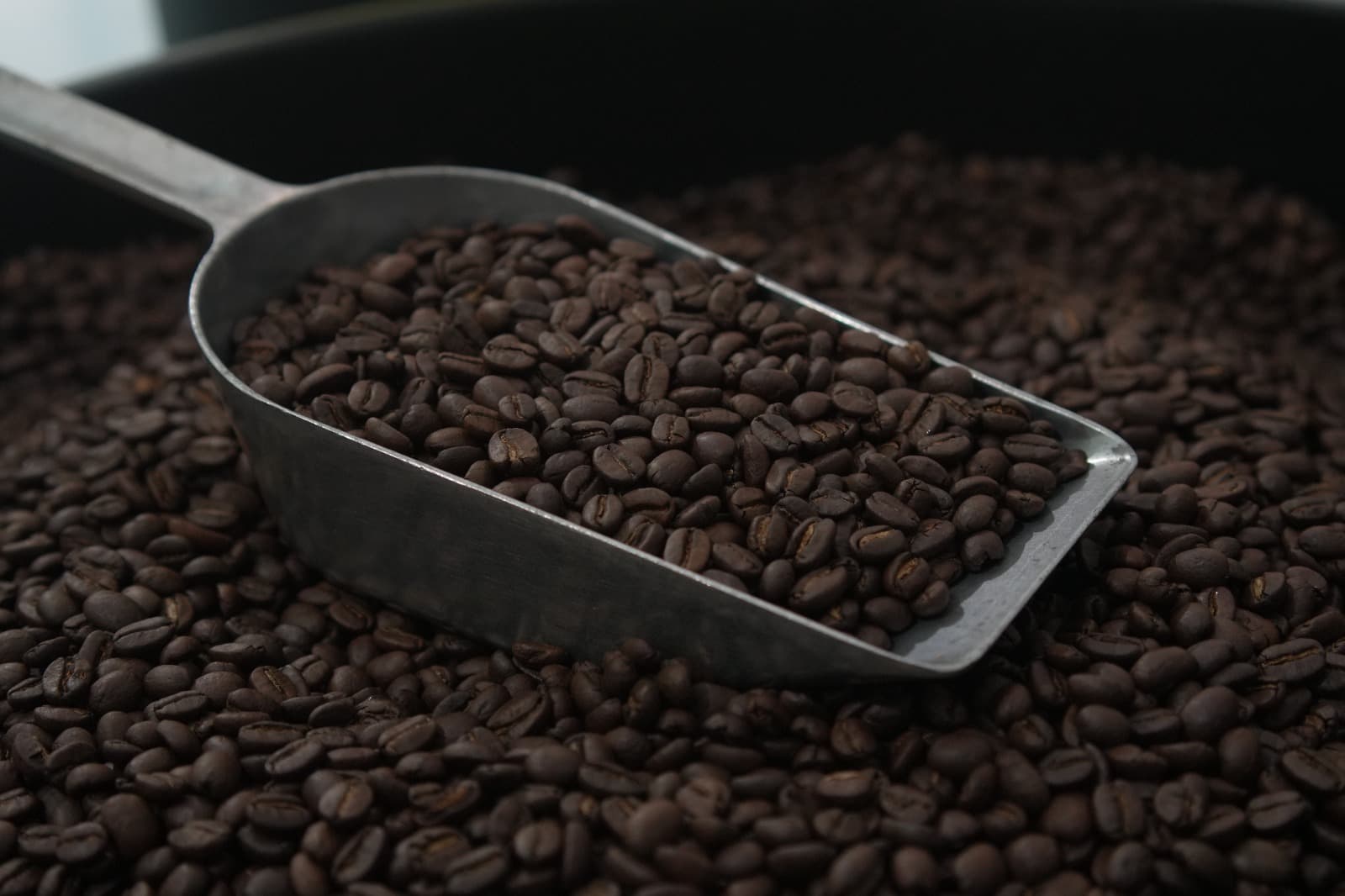
Maillard Reaction &
Caramelization
As the beans turn yellow and begin to brown, natural sugars and amino acids in the coffee react. This is where Kintamani's signature citrusy and sweet caramel flavor notes begin to form. The temperature continues to rise slowly, creating a toasted bread aroma that fills our roastery.
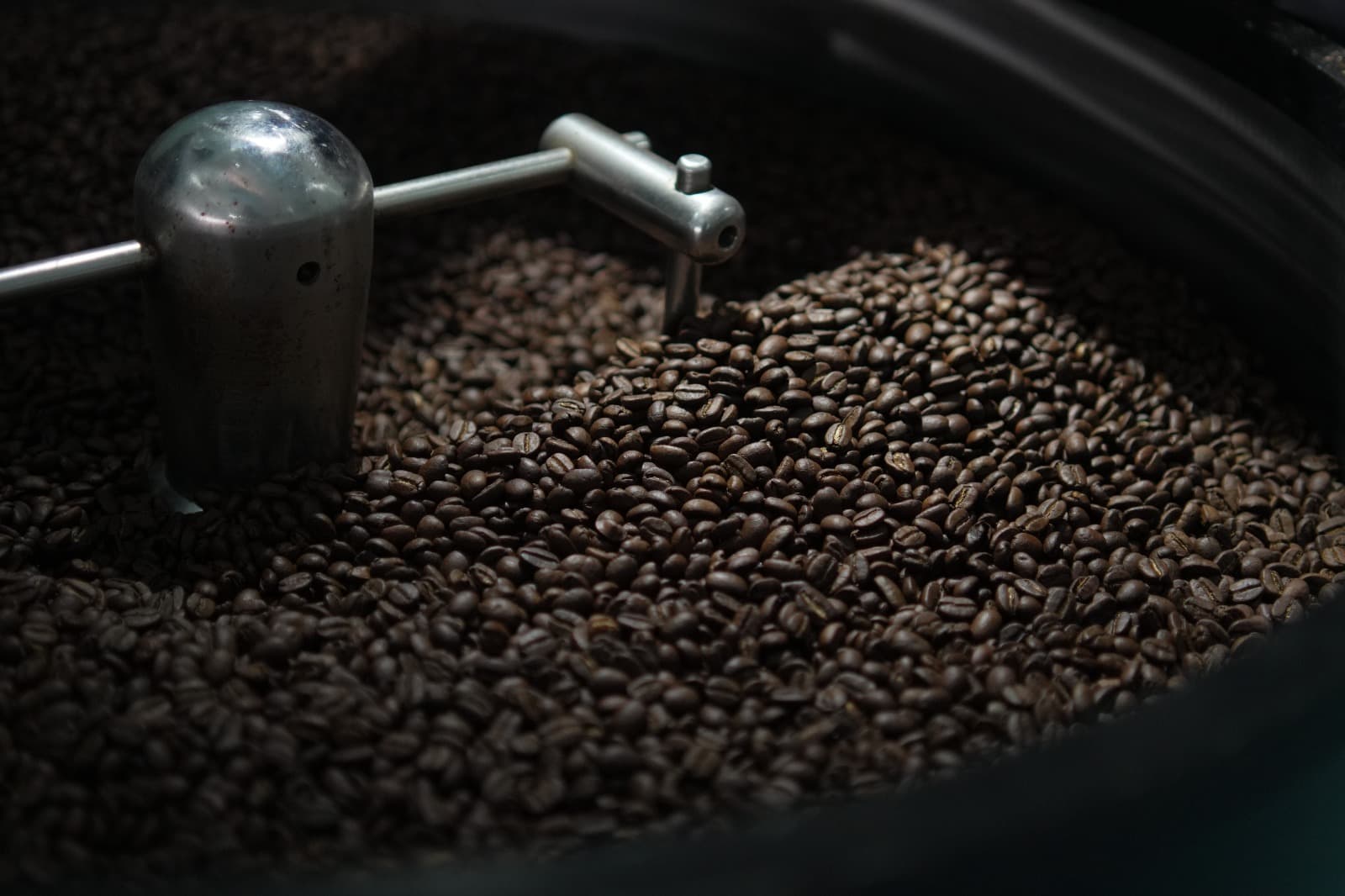
First Crack &
Development
The crucial moment when the coffee beans expand and crack, sounding like popping popcorn (First Crack). We stop the roasting process a fraction of a second with extreme precision at the Medium Roast level to keep the bright acidity alive, without causing an ashy taste.
"Every second inside the roasting machine is precious. Ten seconds too late, you burn the coffee's original character. Too fast, you serve a raw taste. Roasting is about precision."
— Bli Wayan Sudira, Head Master Roaster